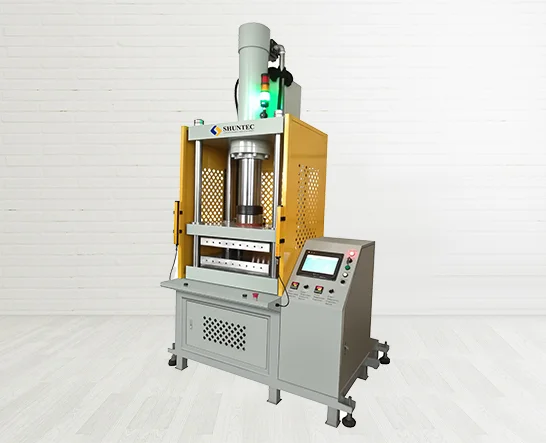
A Complete Buyer’s Guide for Industrial Manufacturing
A heated platen press is more than a machine that applies pressure and temperature. In many manufacturing facilities, it becomes the core of a production process where precision, consistency, and long-term reliability directly influence product quality and operating costs. Whether producing composite panels, rubber products, insulation materials, laminated components, or engineered plastics, manufacturers rely on stable heat and pressure to achieve repeatable results.
Unlike general-purpose hydraulic equipment, a heated platen press is selected according to production objectives rather than simply its maximum pressing force. Factors such as platen size, heating uniformity, cycle time, production volume, and future expansion all influence the purchasing decision. A machine that perfectly fits one production line may become inefficient in another because every factory has different capacity requirements, material characteristics, and customer expectations.
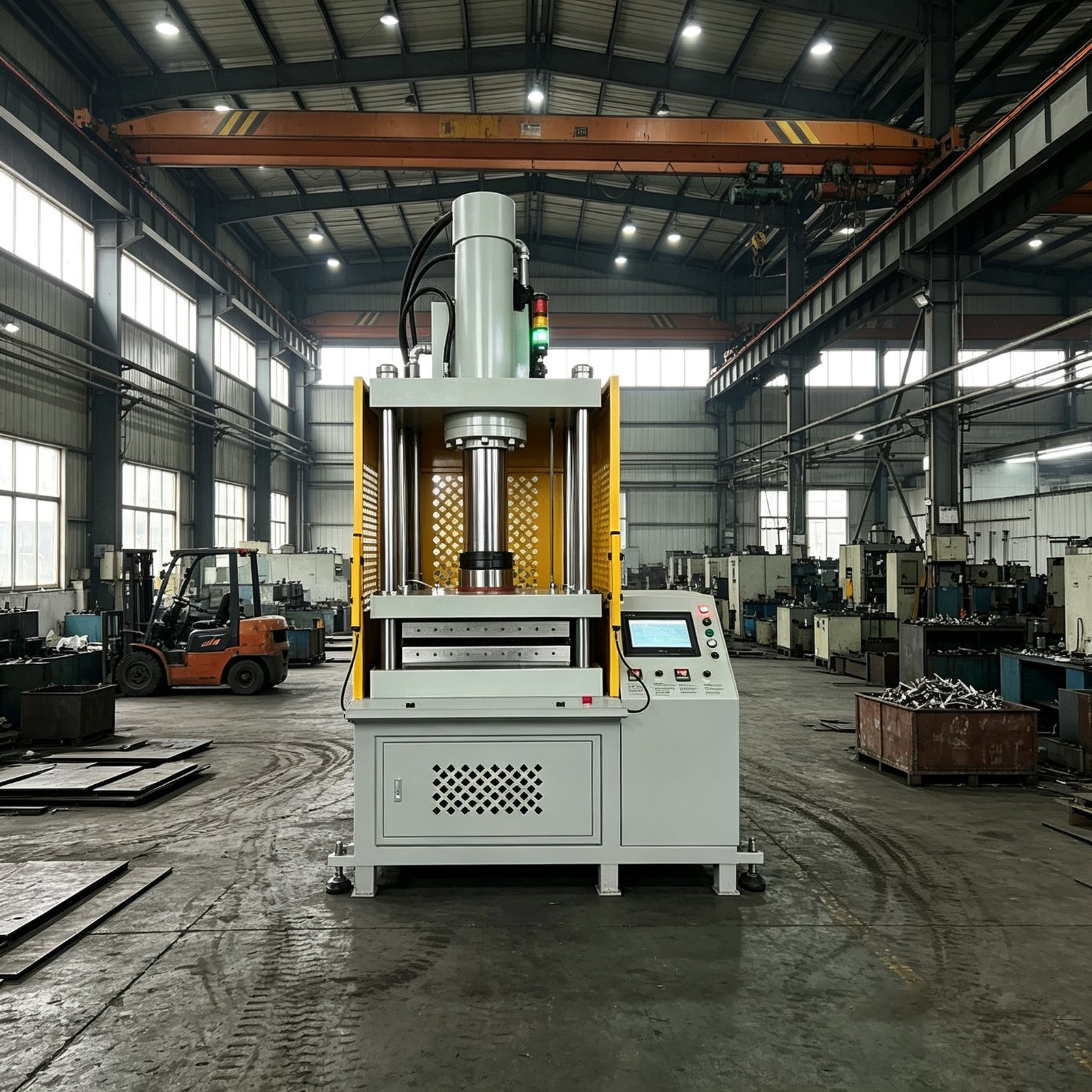
For companies planning to invest in new production equipment, understanding how a heated platen press fits into the entire manufacturing operation is just as important as understanding its specifications. This guide explains the key business and operational considerations that industrial buyers should evaluate before making an investment.
Industries That Commonly Use Heated Platen Presses
One of the biggest advantages of heated platen presses is their versatility. A single machine can support a wide variety of industrial applications depending on tooling and material selection.
Composite material manufacturers use heated presses to produce structural panels, insulation boards, and engineered components that require controlled curing temperatures. Consistent heating allows composite materials to achieve stable mechanical properties while maintaining dimensional accuracy.
Rubber processing companies depend on heated presses for compression molding and vulcanization. Uniform temperature distribution helps produce components with consistent hardness, surface quality, and durability.
Manufacturers of laminated products also benefit from heated pressing technology. Decorative panels, furniture components, flooring materials, and engineered wood products often require heat and pressure to bond multiple layers into a stable finished product.
In the automotive industry, heated platen presses are frequently integrated into production lines for interior trim components, insulation materials, lightweight composite parts, and specialty molded products. Similar applications can also be found in aerospace, electrical insulation, industrial sealing products, and consumer goods manufacturing.
Because of this broad application range, investing in a heated platen press allows manufacturers to expand product offerings without completely redesigning their production facilities.
Choosing the Right Heated Platen Press for Your Production Goals
Purchasing a heated platen press should begin with the product rather than the machine itself.
Every production project has unique requirements. Product dimensions determine platen size, while material thickness influences daylight opening and stroke requirements. Production volume affects the level of automation, and future expansion determines whether additional capacity should be considered during the initial investment.
Many buyers make the mistake of selecting equipment based only on press capacity. While tonnage is important, it represents only one aspect of overall machine performance. Heating stability, platen parallelism, pressure accuracy, control systems, and operational reliability often have a greater influence on long-term productivity.
Manufacturers should also consider the variety of products planned for future production. A machine designed with sufficient flexibility allows businesses to introduce new product lines without purchasing additional equipment.
Instead of focusing on maximum specifications, successful manufacturers typically select equipment that matches realistic production requirements while leaving reasonable room for future growth.
Factory Planning Before Equipment Installation
Installing a heated platen press requires thoughtful factory planning to ensure efficient production and safe daily operation.
The production area should provide adequate space for loading materials, changing molds, performing maintenance, and moving finished products. Restricting access around the machine often creates unnecessary downtime and reduces production efficiency.
Material storage should be located close enough to minimize transportation while remaining separated from finished products. Organizing raw materials according to production schedules helps reduce handling time and supports smoother workflow throughout the factory.
Factories should also consider future expansion before finalizing the equipment layout. Reserving space for additional presses, automated material handling, or quality inspection stations allows production capacity to grow without requiring a complete facility redesign.
Proper ventilation, stable power supply, and temperature-controlled storage areas may also contribute to more stable production depending on the materials being processed.
A well-planned layout improves productivity long before production begins.
Equipment Features That Matter Most
Industrial buyers are often presented with long specification sheets containing dozens of technical details. However, only a few features significantly influence daily production.
Heating uniformity is one of the most important considerations. Consistent platen temperature reduces product variation and helps maintain repeatable production quality.
Control systems also deserve careful attention. Modern presses with programmable operating parameters allow manufacturers to standardize production while reducing operator dependency. Stored production recipes simplify product changeovers and improve consistency across multiple shifts.
Machine frame rigidity affects long-term performance as well. A robust frame maintains pressure distribution throughout continuous operation, reducing deformation and extending equipment life.
Maintenance accessibility is another practical consideration. Components that are easy to inspect and service help minimize downtime and simplify routine maintenance. Instead of comparing equipment based only on purchase price, buyers should evaluate how these features influence productivity over the machine’s expected service life.
Improving Production Efficiency with Better Workflow Planning
Even the most advanced heated platen press cannot achieve maximum productivity if production planning is inefficient.
Successful manufacturers organize production around material flow rather than individual machines. Raw materials should move through preparation, pressing, inspection, and storage with minimal unnecessary handling.
Production scheduling should group similar products whenever possible to reduce mold changes and setup time. Frequent product changes increase downtime and reduce effective production capacity.
Operators also benefit from standardized work instructions that clearly define loading procedures, pressing parameters, inspection requirements, and maintenance routines. Standardization minimizes production variation while simplifying employee training.
Many manufacturers find that small improvements in workflow often produce greater productivity gains than investing in larger equipment.
Quality Control Starts Before Pressing Begins
roduct quality depends on much more than the final pressing cycle.
Incoming materials should be inspected before entering production. Variations in material thickness, moisture content, or composition may affect the finished product regardless of machine performance.
During production, manufacturers should monitor temperature consistency, pressing time, pressure stability, and dimensional accuracy. Regular sampling allows operators to identify minor variations before they become large-scale production issues.
Final inspection should verify appearance, dimensions, bonding quality, surface finish, and customer specifications before products enter storage or shipping.
Establishing quality checkpoints throughout production reduces waste while improving customer satisfaction and repeat business.
Understanding the Real Cost of Ownership
The purchase price represents only part of the total investment.
Operating costs include electricity consumption, maintenance, replacement parts, labor, tooling, and routine servicing. Machines with lower operating costs often provide better long-term value even if their initial purchase price is higher.
Reliable equipment also minimizes production interruptions. Unexpected downtime can be far more expensive than scheduled maintenance because delayed deliveries may affect customer relationships and future business opportunities.
When evaluating investment, manufacturers should consider total ownership costs over the expected lifespan of the equipment rather than focusing exclusively on initial pricing.
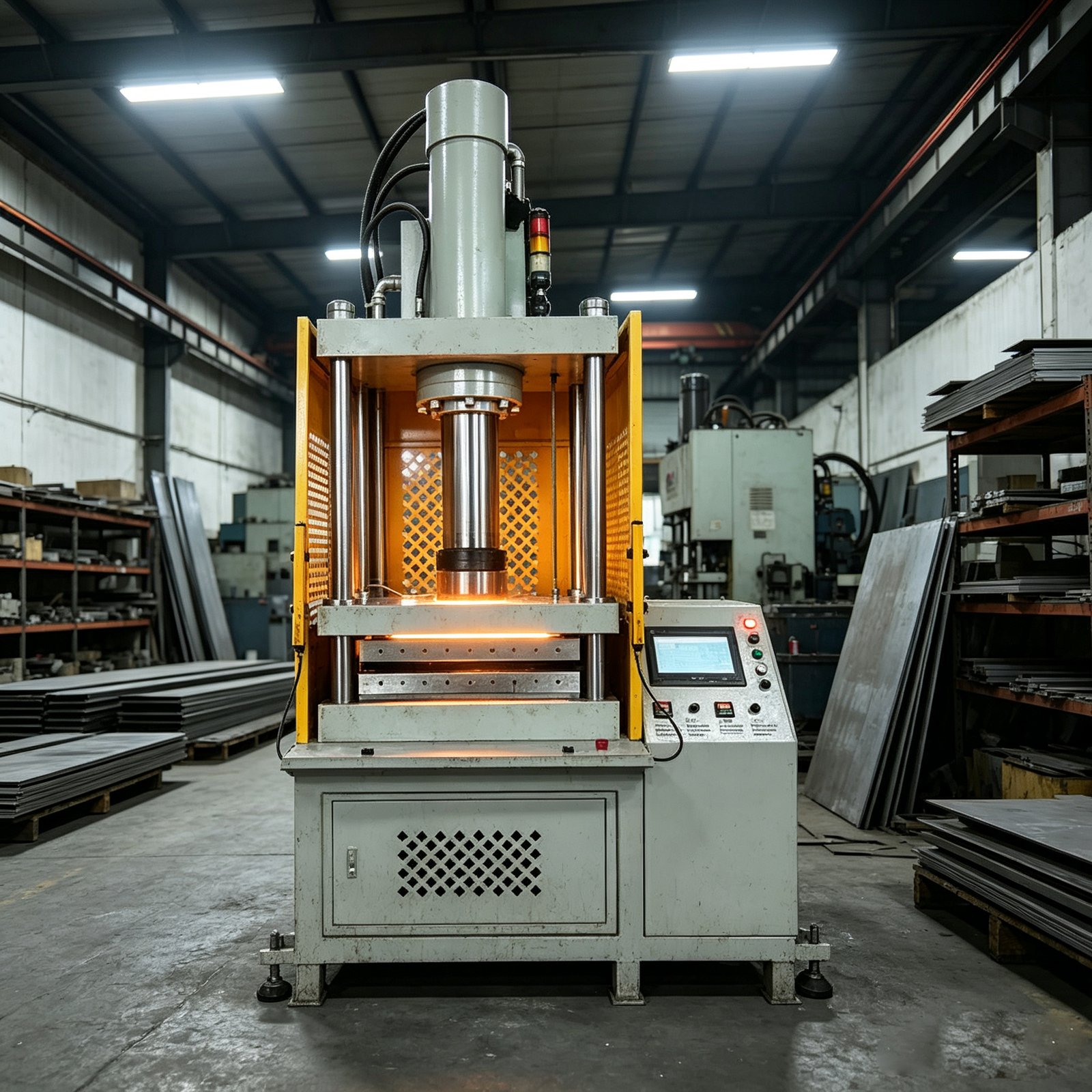
Questions to Ask Before Choosing a Manufacturer
Selecting the right equipment supplier is just as important as selecting the machine itself.
A qualified manufacturer should understand your production objectives rather than simply recommending a standard model. They should be able to discuss customization options, production capacity, installation support, operator training, and long-term technical service.
Buyers should also ask about spare parts availability, response times for technical support, warranty coverage, and future upgrade possibilities.
An experienced supplier views the project as a long-term partnership rather than a single equipment sale.
Frequently Asked Questions
What is a heated platen press?
A heated platen press is an industrial machine that combines controlled pressure and temperature to form, bond, laminate, or cure materials during manufacturing.
Which industries benefit most from heated platen presses?
Common industries include composite manufacturing, rubber processing, automotive components, electrical insulation, engineered wood products, aerospace, and industrial plastics.
How do I determine the right platen size?
The platen should accommodate both current product dimensions and potential future products while allowing efficient material handling and tooling changes.
Is automation necessary?
Not always. Manufacturers with stable, high-volume production often benefit from automation, while businesses producing customized products may prefer greater operational flexibility.
What should I prioritize when comparing suppliers?
Focus on engineering experience, equipment reliability, after-sales service, customization capability, spare parts support, and long-term technical assistance instead of comparing price alone.
Conclusion
A heated platen press is a long-term production asset that influences manufacturing efficiency, product quality, and business competitiveness for many years. Choosing the right machine requires balancing production objectives, factory layout, operating costs, and future expansion plans rather than focusing solely on technical specifications.
Manufacturers that invest in equipment aligned with their actual production needs are better positioned to improve efficiency, maintain consistent quality, and respond to changing customer requirements. By combining thoughtful factory planning with reliable equipment and a knowledgeable manufacturing partner, businesses can build a production system capable of supporting sustainable growth well into the future.