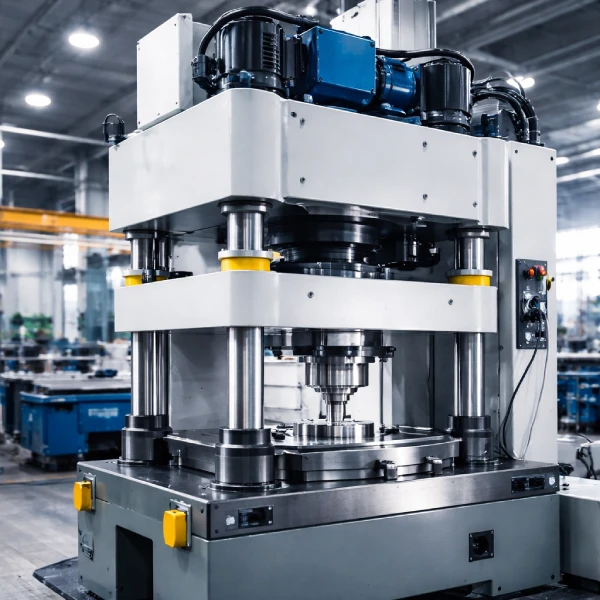
Servo Press: Types, Applications & Industrial Servo Press Machines
Learn what a servo press is, how it works, major servo press types, industrial applications, and how to choose the right servo press for manufacturing processes.

Learn what a servo press is, how it works, major servo press types, industrial applications, and how to choose the right servo press for manufacturing processes.

A hydraulic coining press uses immense, precisely controlled force to transform metal blanks into detailed coins, medals, or precision parts. This coining press machine ensures sharp features, smooth surfaces, and exceptional durability. The hydraulic coin press is vital for modern, high-quality minting and demanding applications.
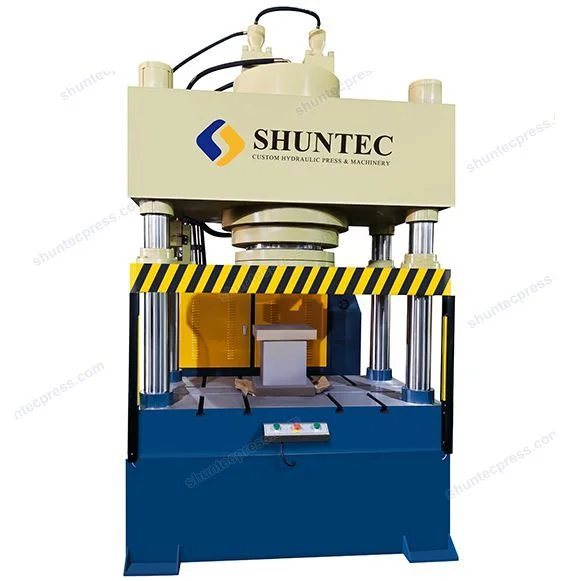
1. Introduction: What is a Blanking Press & Why It Matters Imagine needing thousands of identical, flat metal shapes – like intricate components for appliances or precise washers for automotive assembly. Producing these efficiently and accurately is where blanking presses shine. At its core, a blanking press machine is a powerful piece of equipment designed for one primary task: cutting out specific, usable shapes, known as “blanks,” from sheet metal or coil stock. This process, called blanking, is distinct from general punching. While both involve forcing a punch through metal into a die, the key difference lies in the desired outcome.…
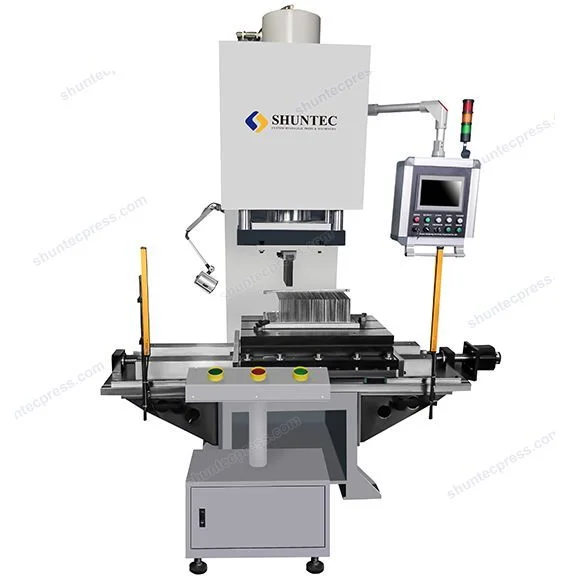
Straightening presses correct bends in metal parts like shafts, plates, and beams. Hydraulic presses offer precision and versatility; specialized types target shafts or plates. Choosing the right machine ensures quality, efficiency, and cost savings in manufacturing and repair.

Powder compacting presses are essential manufacturing equipment transforming metal/ceramic powders into precise, complex components via high pressure. Utilizing hydraulic and mechanical systems, they deliver near-net-shape efficiency, material savings, and unique properties for critical industries like automotive, aerospace, and medical.

Deep drawing presses transform sheet metal into precise, durable components for industries like automotive and aerospace. Their efficiency, versatility, and adaptability to automation and sustainability trends make them essential for modern, eco-conscious manufacturing.
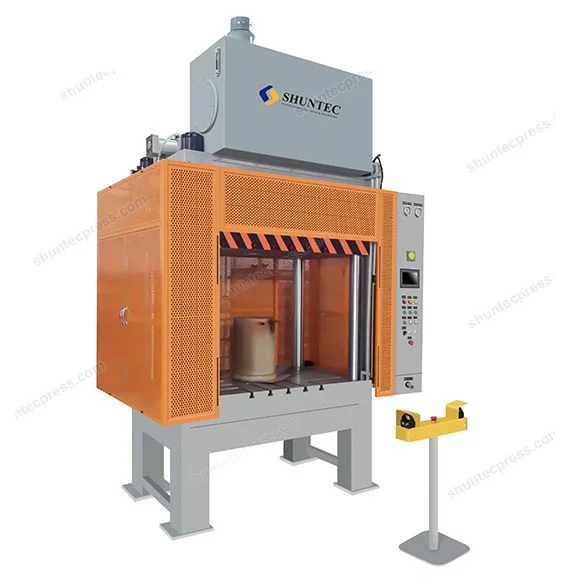
A trim press is a vital industrial machine for precision trimming of excess materials, enhancing efficiency and reducing waste. Used in automotive, aerospace, and consumer goods, proper selection, maintenance, and safety practices ensure optimal performance and longevity.
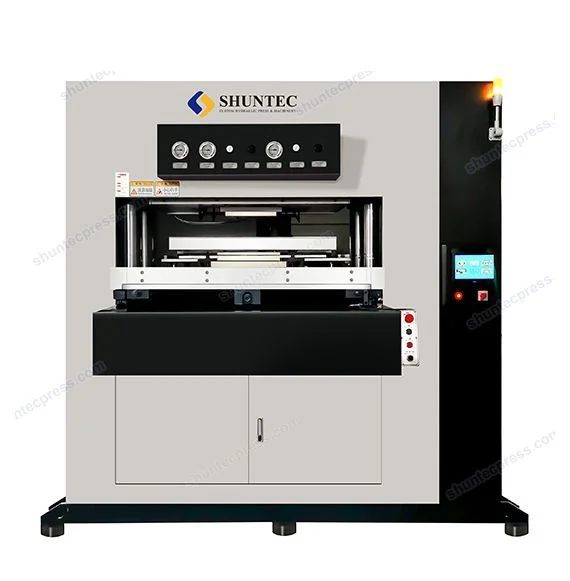
The pressurized air bulge forming press transforms manufacturing by shaping metals and composites with high-pressure air, ensuring precision, reduced waste, and material versatility. Key for automotive, aerospace, and consumer industries, it enhances efficiency and supports sustainable, future-ready production.
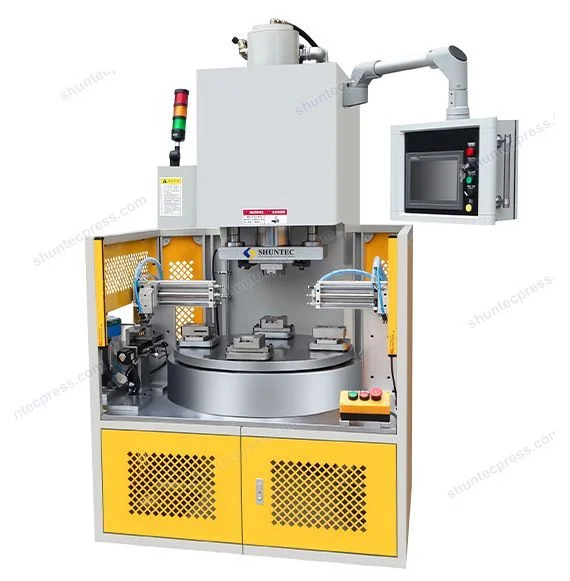
Assembly presses enhance manufacturing precision and efficiency through hydraulic, pneumatic, or custom designs. Proper selection, maintenance, and safety practices optimize their use in industries like automotive, aerospace, and electronics, ensuring cost-effective, high-quality production.
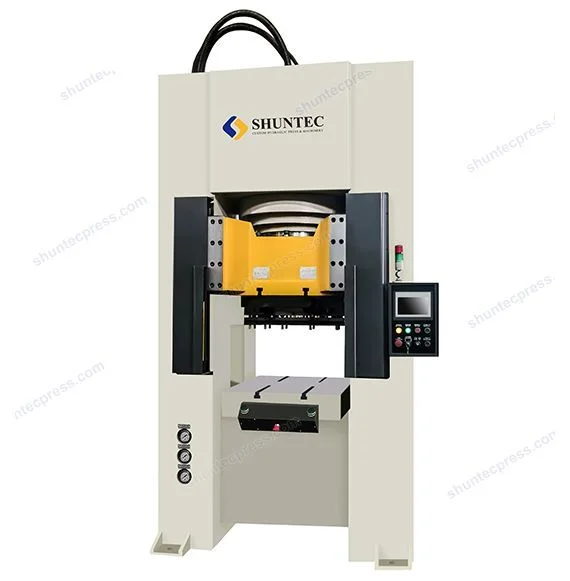
Stamping presses are vital in manufacturing for shaping metals and materials into precise components. This guide explores types (hydraulic, mechanical), applications (automotive, aerospace), maintenance tips, and future trends like automation and sustainability, aiding informed decisions for productivity and safety.
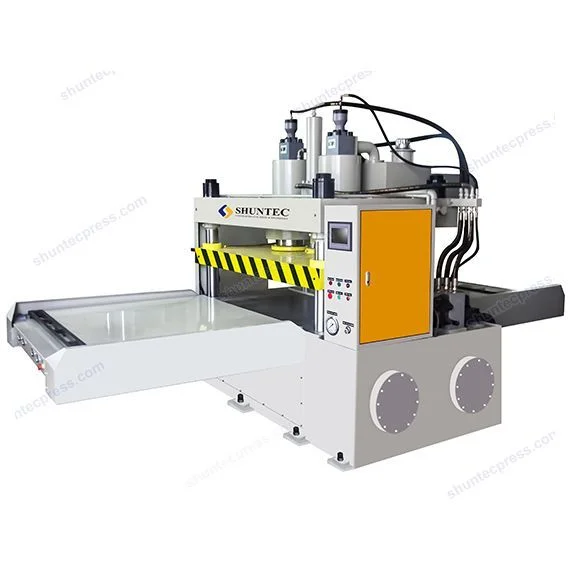
1. Introduction to Die Cutting Press A die cutting press is a versatile machine designed to cut, shape, or emboss materials into precise forms using a custom-made die. This technology plays a foundational role in manufacturing, enabling the production of uniform parts for industries ranging from packaging to automotive. By applying controlled force, the press ensures accuracy and consistency, making it indispensable for creating complex designs that manual methods cannot achieve. The evolution of die cutting traces back to the 19th century, when manual lever-operated machines dominated. Over time, advancements like hydraulic systems revolutionized the process,…
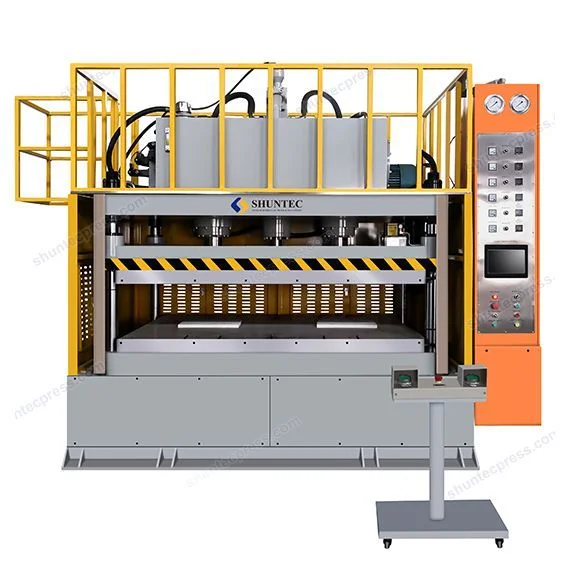
Compression molding presses produce high-strength parts for automotive, aerospace, and consumer goods using heat and pressure. Learn types (hydraulic, servo-electric), benefits (cost-efficiency, versatility), and how to choose the right press for durable, precise manufacturing.
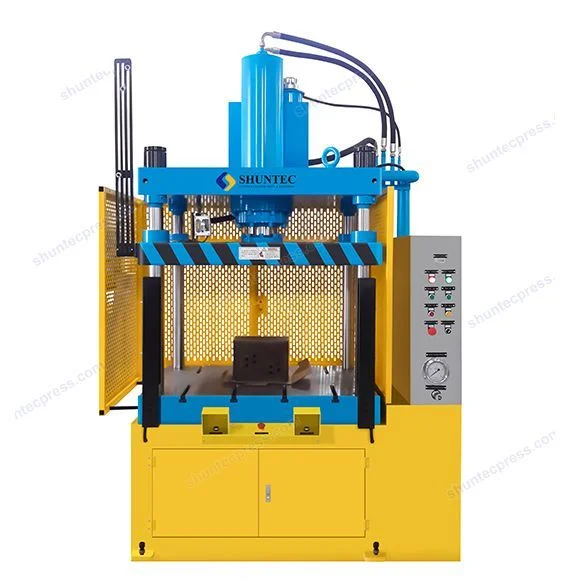
1. Introduction to 4-Post Presses Hydraulic presses are a cornerstone of modern manufacturing, offering unmatched power and precision for shaping, molding, and forming materials. Among these, the 4-post press stands out as a versatile and robust solution for industrial applications. Characterized by its four vertical columns that provide exceptional stability, this type of press ensures even force distribution across the work surface, making it ideal for heavy-duty tasks like metal stamping, forging, and composite material production. Commonly referred to as a four-column hydraulic press or *4-post hydraulic press*, this machinery is designed to handle high-tonnage operations while maintaining accuracy.…
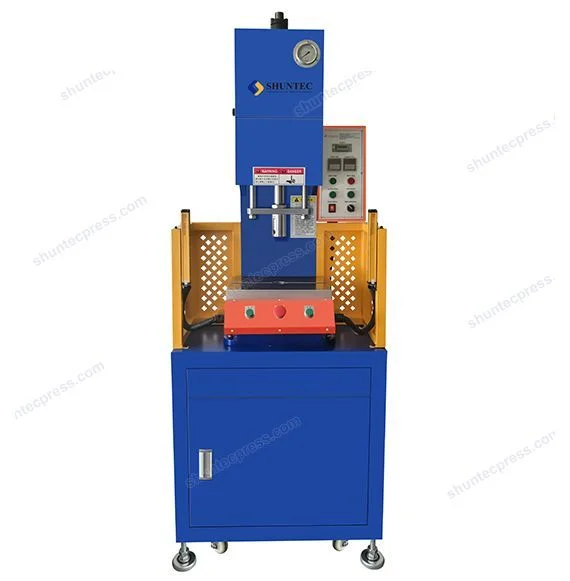
This guide explores benchtop presses—compact tools for DIY, crafting, and repairs. Learn types (manual, hydraulic), selection tips, safety practices, and maintenance. Ideal for metalworking, automotive tasks, or jewelry making, they balance affordability, space-saving design, and versatility.
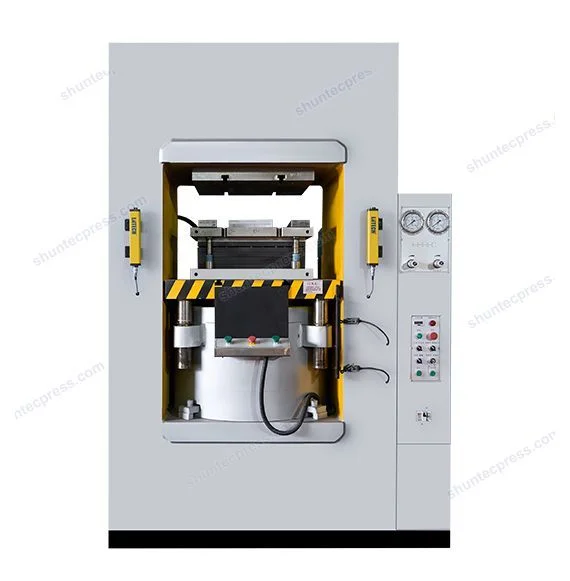
This guide explains H-frame presses: their robust design, hydraulic operation, industrial applications (automotive, recycling), advantages (stability, cost-efficiency), selection criteria, and maintenance. Ideal for tasks requiring precision and power, they optimize productivity across industries.
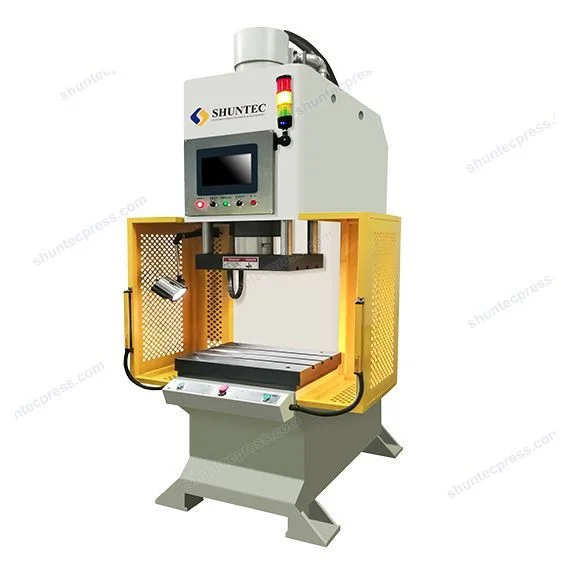
C Frame Presses offer compact, versatile solutions for metalworking, automotive, and electronics industries. Their hydraulic, mechanical, and pneumatic variants ensure precision, safety, and efficiency. Proper selection, maintenance, and safety practices maximize productivity and ROI in diverse applications.

Electric servo presses revolutionize manufacturing with precision, energy efficiency, and adaptability. Ideal for automotive, electronics, and aerospace industries, they reduce waste, integrate with smart systems, and align with sustainable, automated production trends for long-term ROI.
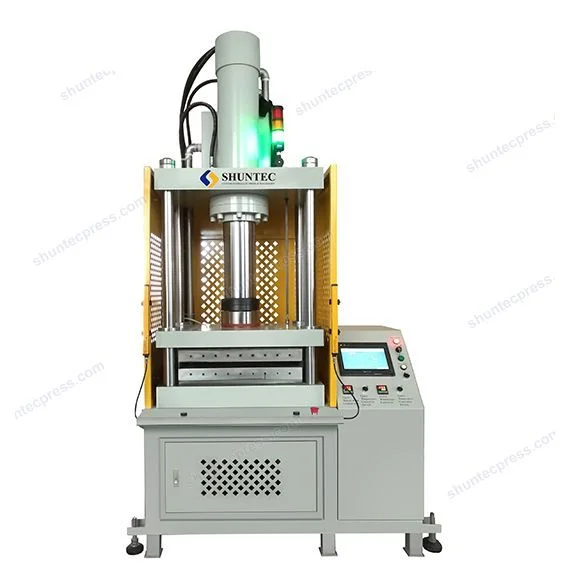
Heated platen presses utilize precise heat and pressure for industrial processes like composite curing and rubber molding. Key considerations include equipment selection, maintenance, safety, and emerging trends like automation and sustainability, ensuring efficiency in modern manufacturing.

An air hydraulic press combines pneumatic speed with hydraulic force, offering efficiency, cost savings, and versatility for industries like automotive and aerospace. This guide covers its workings, benefits, applications, maintenance, and future trends like smart controls and sustainability.
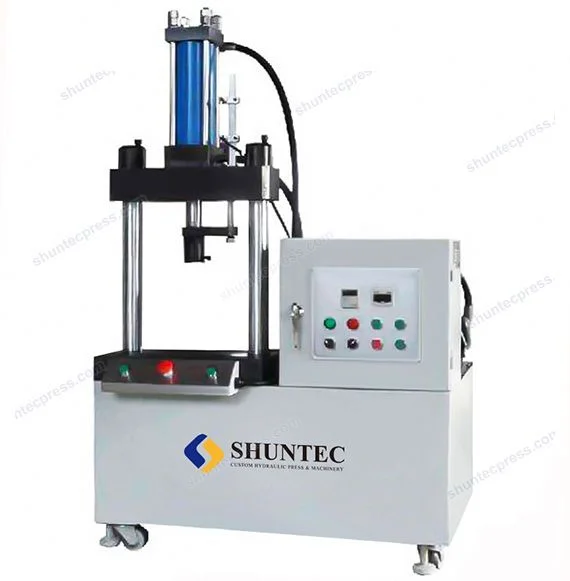
This guide explores 2-post presses, their industrial applications (automotive, metalworking), selection criteria, maintenance tips, and cost ranges, emphasizing stability, precision, and versatility for optimized workflows.

Pneumatic presses use compressed air for precise tasks like metal forming and assembly. Versatile and efficient, they suit automotive, medical, and manufacturing sectors. Key factors: tonnage, speed, workspace. Trends favor automation and energy efficiency.
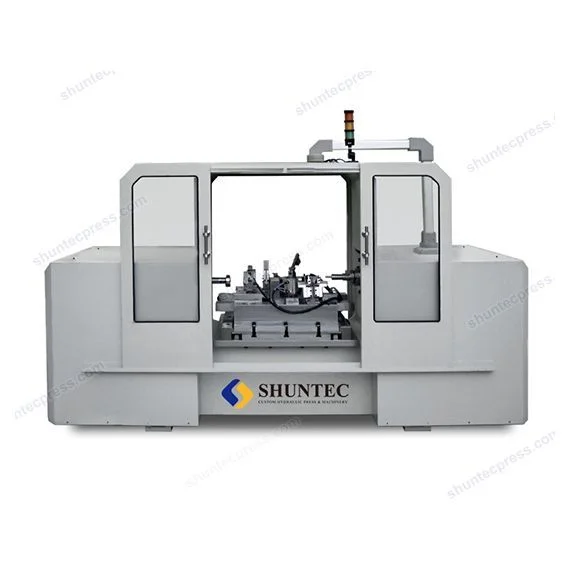
Horizontal hydraulic presses provide high-force precision for automotive, aerospace, and recycling tasks like metal forming and scrap compaction. This guide explains their operation, types, buying tips, and safety, with future trends focusing on IoT and hybrid systems for efficiency.

Servo presses use programmable motors for precision control and energy efficiency, excelling in automotive, electronics, and medical industries. They outperform traditional presses in flexibility, accuracy, and sustainability, with future advancements like AI and cobot integration driving Industry 4.0 manufacturing.
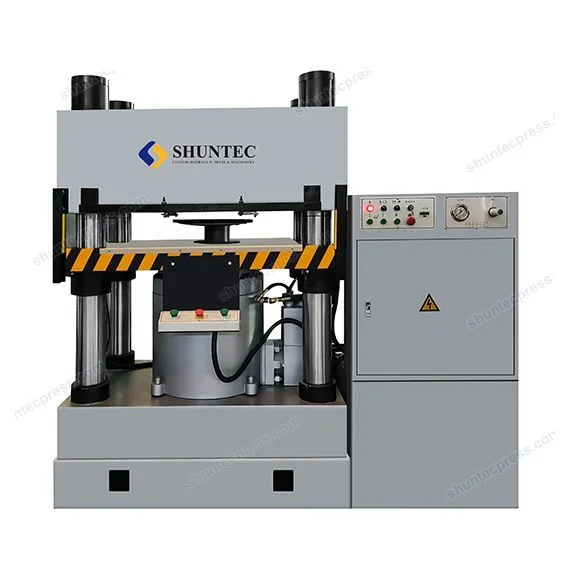
Explore industrial puzzle making machines: Compare jigsaw puzzle cutters, die cutting presses, and 1000-piece puzzle dies. Learn key buying tips, maintenance strategies, and trusted suppliers for efficient production.