
Introduction
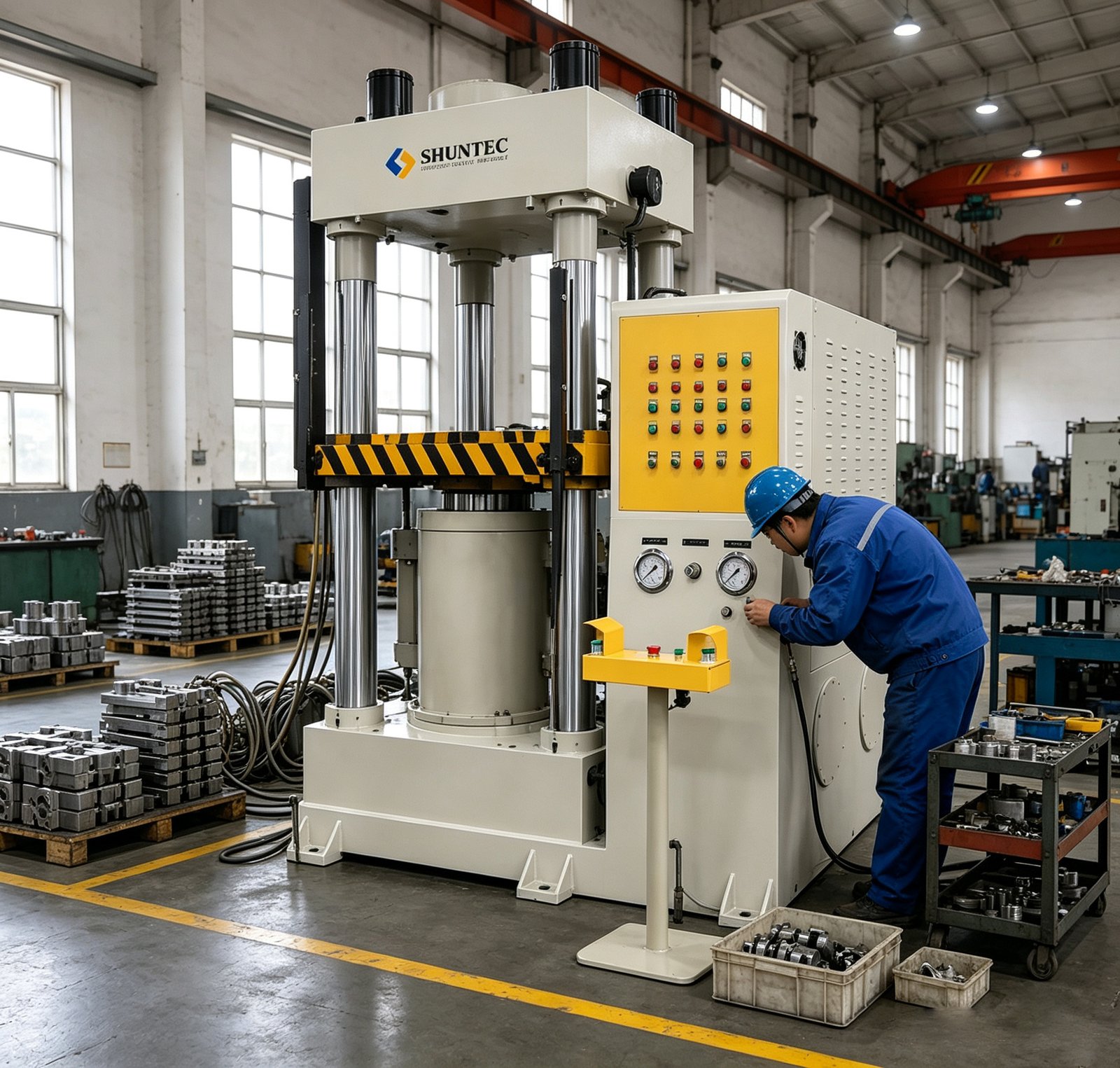
For manufacturers working with powder-based components, selecting the right Powder Compacting Press is a decision that affects much more than daily production. The equipment becomes part of the factory’s long-term manufacturing capability, influencing product consistency, delivery performance, operating costs, and future expansion opportunities.
Powder compaction is widely used in industries where large quantities of precision components are required. Automotive suppliers, electrical component manufacturers, industrial equipment producers, and specialized engineering companies rely on compacting equipment to achieve stable production results while maintaining competitive manufacturing costs.
However, purchasing a powder compacting press is not simply a matter of comparing machine specifications. Production volume, component requirements, factory layout, automation expectations, and supplier support all play important roles in determining whether an investment delivers long-term value.
A well-planned production system allows manufacturers to improve efficiency, respond faster to customer requirements, and build stronger relationships with OEM buyers.
This article explains the key considerations industrial companies should evaluate when selecting powder compacting equipment and preparing their production operations.
Why Powder Compacting Presses Are Becoming More Important in Industrial Manufacturing
Before selecting equipment or renting factory space, you should define the business model clearly. Different business models require different investment levels, production systems, staffing plans, and sales strategies.
Factory Space Requirements for Puzzle Manufacturing
Manufacturing industries continue to search for production methods that offer better consistency, reduced waste, and reliable output. Powder compacting has become an important solution for companies producing high-volume precision components.
Traditional machining methods often require additional processing steps and generate material waste. Powder-based manufacturing provides manufacturers with another option when producing components with repeatable shapes and consistent quality requirements.
For many factories, the biggest advantage is production stability. Once a process is properly established, a powder compacting press can support continuous manufacturing with predictable output.
This reliability is especially valuable for OEM suppliers. Large customers typically require suppliers to maintain consistent quality and meet strict delivery schedules. A production interruption caused by unreliable equipment can affect not only manufacturing efficiency but also long-term customer relationships.
As industries move toward lightweight designs, improved material utilization, and more efficient manufacturing methods, powder compacting equipment continues to attract attention from companies looking to upgrade their production capabilities.
Industries Using Powder Compacting Press Equipment
A major reason for the growing demand for powder compacting presses is their wide industrial application range. Different industries use compacted components because they require repeatability, dimensional consistency, and efficient production.
Automotive Component Manufacturing
She automotive industry remains one of the largest markets for powder-based components.
Automotive suppliers use powder compacting equipment to manufacture various precision parts used in vehicle systems. These suppliers often operate under strict production requirements because automotive customers expect stable quality and reliable delivery.
For companies serving automotive OEMs, investing in dependable powder compaction equipment can improve production confidence and create opportunities for long-term supply contracts.
Electrical and Electronic Components
Electrical manufacturers require components that meet precise performance and dimensional requirements.
Powder compacting presses are used in applications where consistent component production is important. As electronic devices become smaller and more complex, manufacturers need production solutions that can maintain accuracy while supporting increasing demand.
Industrial Machinery and Engineering Products
Industrial equipment manufacturers also use powder compacting technology for producing mechanical components, wear-resistant parts, and specialized products.
In this market, flexibility is often just as important as production volume. Many manufacturers produce different component sizes and specifications for various customers, making equipment adaptability an important purchasing factor.
Specialized Manufacturing Applications
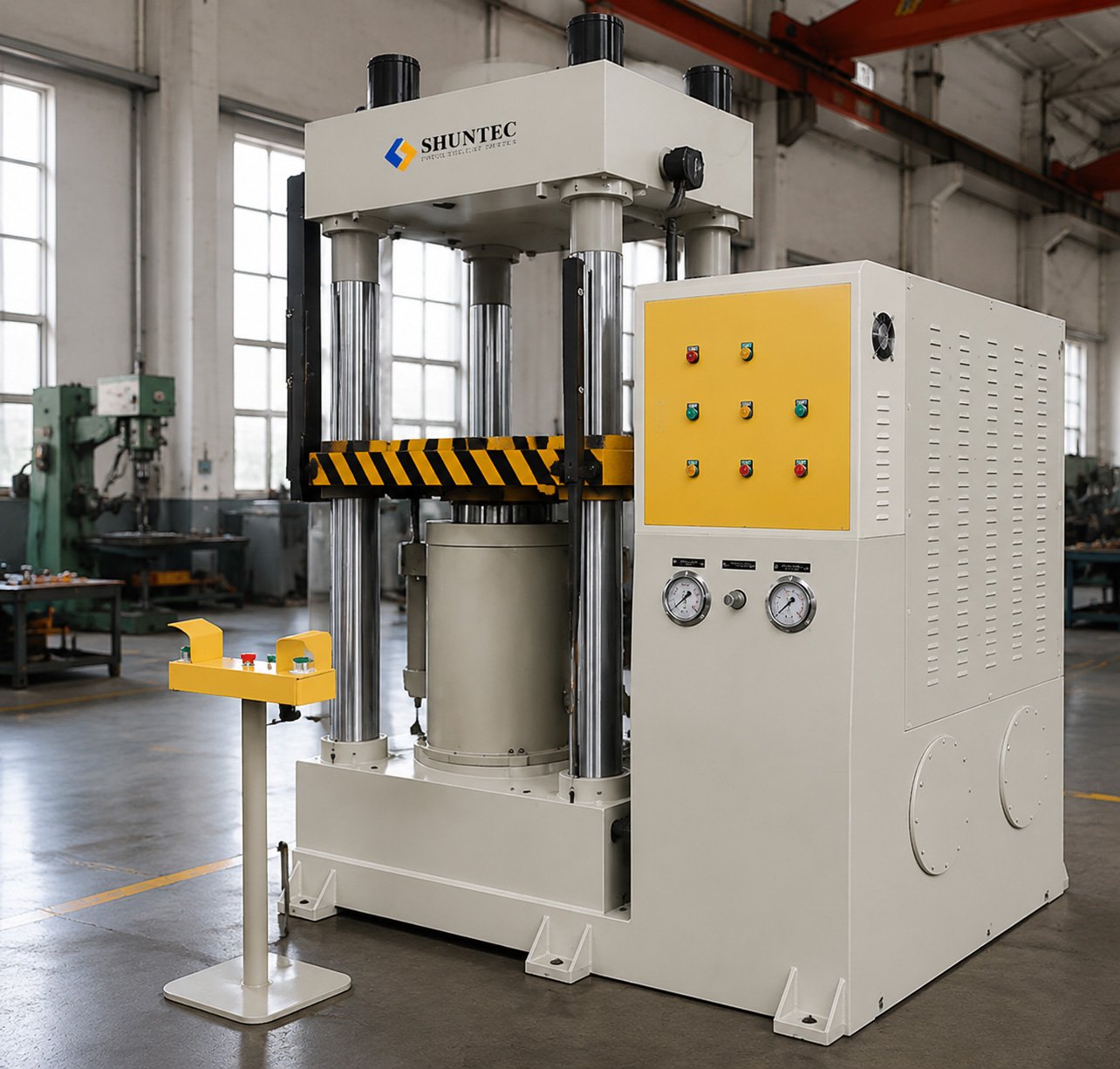
Powder compacting presses are also used in industries producing customized industrial components. These applications often require manufacturers to balance production efficiency with the ability to handle changing customer requirements.
For companies entering new markets, choosing flexible equipment can provide advantages when developing additional product lines.
Planning a Powder Compacting Production Facility
Installing a powder compacting press requires more than simply placing a machine inside an available factory area. The surrounding production environment directly affects efficiency, safety, and future scalability.
Factory Space Requirements
he production area should provide enough room for:
- Press installation Material preparation
- Operator access Inspection activities
- Maintenance work Finished product handling
A common mistake made by expanding manufacturers is planning only for current production needs. While a machine may fit the available space today, limited room for future equipment or workflow improvements can become a challenge later.
A better approach is to consider future production growth before finalizing the factory layout.
Material Storage Planning
Powder materials require organized inventory management.
A well-designed storage system helps production teams control material availability and avoid unnecessary delays. Raw materials should be easy to identify, access, and move into production when required.
Poor material organization often creates hidden costs through excessive handling time and production interruptions.
Production Flow Design
Efficient factories usually focus on reducing unnecessary movement between different production stages.
A practical layout normally connects:
- Material storage
- Production preparation
- Powder compacting area
- Quality inspection
- Finished product storage
The goal is to create a smooth production flow where operators spend more time producing components and less time moving materials.
How to Select the Right Powder Compacting Press
Choosing the right machine starts with understanding the business requirement behind the purchase.
A press that works well for one manufacturer may not be suitable for another. Production volume, component size, product variety, and customer expectations all influence the ideal configuration.
Match Equipment Capacity With Real Production Demand
Many companies make purchasing decisions based only on current orders. While immediate requirements are important, equipment selection should also consider future growth.
A machine with limited flexibility may become a bottleneck when customer demand increases.
On the other hand, purchasing equipment far beyond actual requirements can create unnecessary investment pressure and increase operating costs.
The right balance is selecting equipment that supports current production while allowing reasonable expansion.
Consider Automation Requirements
Automation level is another important factor.
Smaller manufacturers or companies producing customized components may prefer flexible production systems that allow easier adjustments.
Larger OEM suppliers often require higher levels of automation because production consistency and output capacity become critical factors.
Before choosing automation options, companies should evaluate:
- Expected production volume
- Labor availability
- Product variation
- Future expansion plans
The best solution is not always the most automated system. It is the system that matches the company’s actual production strategy.
Equipment Investment: Looking Beyond Purchase Price
The initial purchase cost of a powder compacting press is only one part of the total investment.
Experienced manufacturers evaluate equipment based on long-term operating value rather than the lowest initial price.
A lower-cost machine may appear attractive during purchasing negotiations, but factors such as downtime, maintenance requirements, production limitations, and technical support can significantly influence the total cost of ownership.
Important investment considerations include:
Equipment Reliability
Production equipment must perform consistently over many years. Unexpected downtime can affect delivery schedules and increase production costs.
What is the biggest challenge in puzzle manufacturing?
The biggest challenge is balancing quality consistency, production efficiency, material control, and delivery reliability. A factory must control piece count, image alignment, cutting quality, packaging accuracy, and production scheduling at the same time. Strong workflow planning and QC systems are essential.
Supplier Experience
A knowledgeable supplier can provide valuable support during equipment selection, installation, and future upgrades.
Service and Spare Parts Support
SLong-term availability of technical assistance and replacement parts helps protect the investment and maintain production stability.
Future Expansion Capability
Manufacturers should consider whether the equipment can support additional products or increased production requirements in the future.
Building an Efficient Powder Compacting Production Workflow
A reliable powder compacting operation depends on more than the performance of the press itself. Production efficiency is determined by how well equipment, materials, operators, and quality procedures work together.
Many manufacturers discover that improving workflow organization can create significant productivity gains without immediately investing in additional equipment.
A well-planned production process reduces unnecessary movement, improves machine utilization, and helps maintain stable delivery schedules.
Establishing a Standard Production Process
A typical powder compacting workflow includes several key stages:
Production planning
↓
Raw material preparation
↓
Powder processing preparation
↓
Press operation
↓
Quality inspection
↓
Finished component storage
↓
Shipment
Each stage should have clearly defined responsibilities and operating procedures.
When production processes depend too heavily on individual operator experience, quality variations may occur. Standardized procedures help ensure that different employees can maintain consistent production performance.
Improving Machine Utilization
The productivity of a powder compacting press depends not only on its technical capability but also on how effectively it is integrated into daily operations.
Common factors affecting utilization include:
- Production scheduling
- Material availability
- Tool preparation
- Operator training
- Maintenance planning
Factories that coordinate these areas usually achieve better output without increasing production pressure.
For example, reducing unnecessary changeover time between different products can significantly improve daily productivity. Simple planning improvements often create measurable results.
Raw Material Supply and Production Stability
A stable supply chain is essential for manufacturers using powder compacting equipment.
Even the most advanced production equipment cannot maintain output if raw materials are inconsistent or unavailable.
Selecting Reliable Material Suppliers
Industrial buyers should evaluate suppliers based on more than price.
Important considerations include:
- Consistent material quality
- Stable delivery capability
- Technical support
- Long-term cooperation potential
For manufacturers serving OEM customers, supply reliability is especially important because production schedules are usually linked to customer delivery commitments.
Inventory Management Considerations
Maintaining the right inventory level requires balance.
Excessive inventory increases storage costs and ties up capital. However, insufficient materials may interrupt production and delay customer orders.
Successful manufacturers typically develop inventory strategies based on:
- Production forecasts
- Customer demand
- Supplier lead times
- Market conditions
A well-managed supply chain supports smoother production and reduces operational risks.
Quality Control for Powder Compacting Production
Quality expectations continue to increase across industrial markets. OEM customers require suppliers to provide consistent components that meet agreed specifications over long production periods.
A strong quality management system should cover the entire production process rather than only checking finished products.
Incoming Material Inspection
Quality begins before production starts.
Manufacturers should verify incoming materials to ensure they meet internal requirements before entering the production process.
Early quality control helps prevent problems from moving further through production.
Production Monitoring
During manufacturing, companies should establish inspection procedures to monitor production consistency.
Important quality considerations include:
- Component dimensions
- Product appearance
- Production repeatability
- Customer specifications
Regular monitoring allows manufacturers to identify quality variations early and maintain stable production output.
Final Product Verification
Before shipment, finished components should be checked according to customer requirements.
For OEM suppliers, reliable inspection procedures demonstrate manufacturing capability and help build customer confidence.
A strong quality system is not only about reducing defects. It is also about creating a reputation for reliability.
Staffing Requirements for Powder Compacting Production
Although automation continues to increase, skilled personnel remain an important part of successful manufacturing operations.
The right team structure helps companies maximize equipment performance and maintain production stability.
Production Managers
Production managers coordinate:
- Manufacturing schedules
- Capacity planning
- Resource allocation
- Continuous improvement activities
They play an important role in ensuring that equipment investment translates into business results.
Machine Operators
Operators are responsible for daily production activities and equipment operation.
Proper training helps operators understand:
- Standard operating procedures
- Production requirements
- Safety practices
- Quality expectations
Well-trained operators contribute directly to production consistency.
Quality Personnel
Quality inspectors ensure that products meet internal standards and customer requirements.
Their role becomes especially important for manufacturers supplying demanding industries such as automotive and precision engineering.
Maintenance Support
Regular equipment maintenance helps prevent unexpected interruptions.
Manufacturers should establish maintenance plans to protect equipment performance and extend machine service life.
Choosing a Reliable Powder Compacting Press Manufacturer
Selecting the right equipment supplier is one of the most important decisions in the purchasing process.
A machine supplier should not only provide equipment but also understand the production challenges faced by manufacturers.
Evaluate Manufacturing Experience
Experienced suppliers usually have a better understanding of different production environments and customer requirements.
Buyers should look for manufacturers with:
- Industrial application experience
- Engineering capability
- Customization ability
- Strong production support
Consider Customization Capability
Different products require different production approaches.
A reliable supplier should be able to discuss options based on:
- Component requirements
- Production targets
- Factory conditions
- Future expansion plans
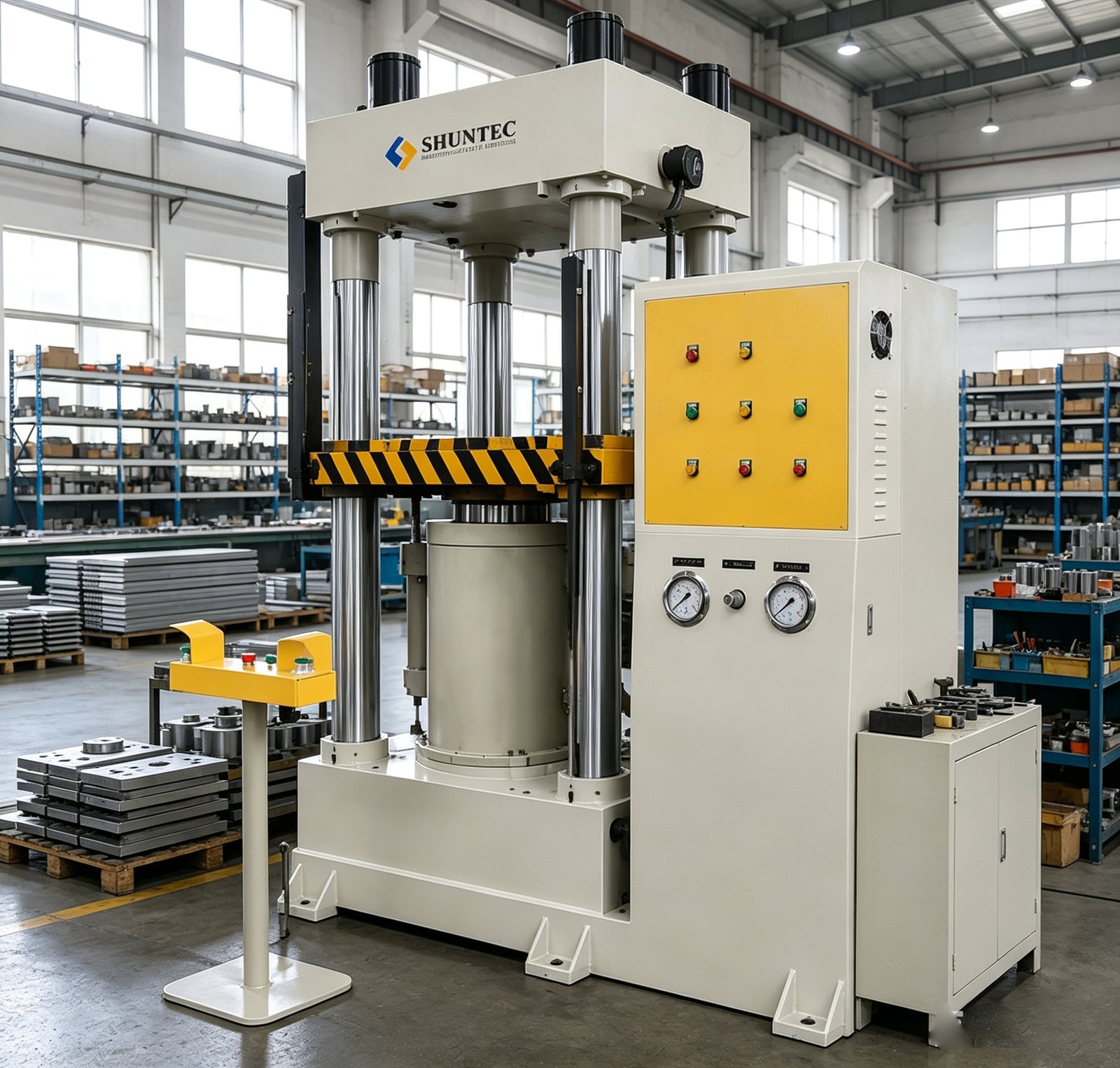
Standard machines may work for some applications, but customized solutions are often valuable for companies with specific production goals.
Review After-Sales Support
The relationship with an equipment supplier should continue after installation.
Important support areas include:
- Installation guidance
- Operator training
- Technical assistance
- Spare parts availability
Reliable service reduces operational risks and helps manufacturers maintain production confidence.
Common Mistakes When Investing in Powder Compacting Equipment
Many purchasing mistakes happen because companies focus too heavily on short-term considerations.
Choosing Based Only on Price
The lowest purchase price does not always represent the best value.
Equipment reliability, service support, and long-term operating costs often have a greater impact on profitability.
Ignoring Future Production Needs
A machine that only meets current requirements may limit business growth.
Companies should consider possible changes in customer demand and product development before making a final decision.
Underestimating Production Planning
Buying advanced equipment without a proper production strategy can prevent companies from achieving expected results.
Equipment, workflow, employees, and quality systems must work together.
Powder Compacting Press Buying Checklist
Before purchasing a powder compacting press, industrial buyers should review the following points:
Define Product Requirements
Understand:
- Component type
- Production volume
- Quality expectations
Evaluate Factory Conditions
Confirm:
- Available installation space
- Material handling capability
- Future expansion possibilities
Compare Equipment Options
Review:
- Machine capability
- Automation level
- Reliability
- Supplier support
Prepare Production Operations
Plan:
- Operator training
- Quality procedures
- Maintenance schedules
A structured evaluation process helps companies avoid costly purchasing decisions.
Frequently Asked Questions About Powder Compacting Press
What is a Powder Compacting Press?
A powder compacting press is industrial production equipment used to compress powdered materials into shaped components. It is widely used for manufacturing precision parts in industries requiring consistent production quality.
Which industries use powder compacting presses?
Powder compacting equipment is commonly used in automotive manufacturing, electronics, industrial machinery, precision engineering, and specialized component production.
How do I choose the right powder compacting press?
The correct machine depends on production requirements, component specifications, manufacturing volume, automation expectations, factory conditions, and future business plans.
Is a powder compacting press suitable for OEM production?
Yes. Many OEM suppliers use powder compacting equipment because it supports repeatable manufacturing, stable quality, and long-term production requirements.
What factors affect powder compacting press investment costs?
Investment depends on machine configuration, production capacity, automation level, tooling requirements, installation conditions, and supplier support services.
Should I choose a standard machine or a customized solution?
The answer depends on production requirements. Standard equipment may suit common applications, while customized solutions are often better for specialized components or unique production environments.
Conclusion:
A Powder Compacting Press represents more than a single piece of production equipment. For manufacturers, it becomes part of the foundation that supports product quality, customer satisfaction, and future business growth.
Successful investment requires looking beyond machine specifications and considering the complete production environment, including factory planning, workflow organization, material supply, workforce preparation, and supplier support.
Companies that carefully match equipment capabilities with their manufacturing goals are better positioned to improve efficiency, meet OEM requirements, and compete in demanding industrial markets.
Choosing the right powder compacting press manufacturer is therefore not only an equipment decision but a long-term strategic decision that can influence production performance for many years.
