
Choosing the right stamping press supplier can affect far more than the initial purchase price. The supplier you work with influences delivery speed, machine quality, spare parts availability, technical support, and the long-term stability of your production line. Whether you are sourcing a single press or planning a complete stamping system, understanding the difference between a supplier, manufacturer, and distributor helps you make a smarter purchasing decision.
What Does a Stamping Press Supplier Do?
A stamping press supplier is a company that helps customers source, purchase, and support stamping press equipment. Unlike a manufacturer, a supplier does not always build the machine itself. Instead, the supplier may represent one or several manufacturers and act as the link between the machine builder and the end user.
In many cases, a supplier works as a distributor. The distributor purchases equipment from a manufacturer and resells it within a specific region or industry. Some suppliers also operate as trading companies, sourcing presses from different factories and offering customers more options in terms of capacity, price range, and lead time.
A local service provider can also function as a stamping press supplier. These companies may not manufacture the machine, but they provide installation, maintenance, operator training, spare parts, and technical support close to the customer’s facility.
Because the term “supplier” covers several business models, it is important to understand exactly what role the company plays before making a purchasing decision.
Manufacturer vs Supplier vs Distributor
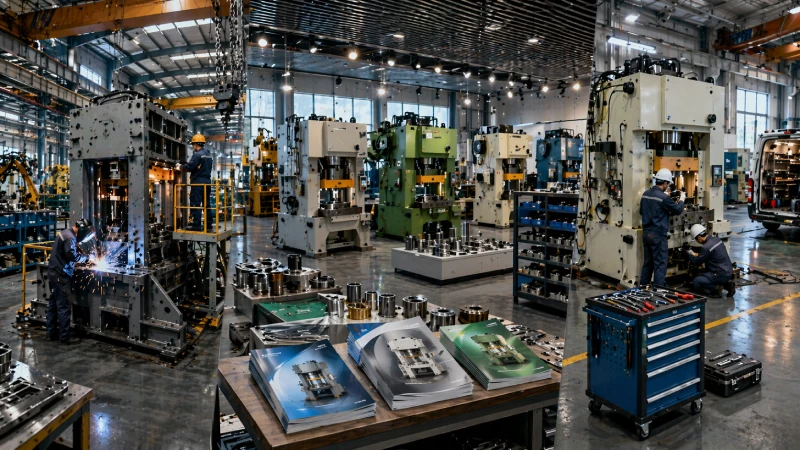
Although the terms are often used interchangeably, there are important differences between a manufacturer, supplier, and distributor.
| Type | Main Role | Advantages | Limitations | Best For |
|---|---|---|---|---|
| Manufacturer | Designs and builds the stamping press directly | Full control over machine design, custom engineering, lower direct cost, direct access to factory technicians | Longer communication chain if overseas, longer delivery in some markets, less local support | Large projects, custom press requirements, long-term production investment |
| Supplier | Sources and offers equipment from one or multiple manufacturers | Wider range of machine choices, easier comparison, local support, faster response | May have less control over design details, pricing can include an additional margin | Buyers who want flexibility, local communication, and easier purchasing |
| Distributor | Official representative authorized by a manufacturer | Access to original machines, local inventory, approved spare parts, regional service support | Usually limited to one brand or manufacturer | Companies that want reliable local service for a specific brand |
A manufacturer builds the machine itself. This gives the buyer direct access to engineering teams, custom specifications, and factory-level pricing. However, working directly with a manufacturer may be more difficult when the manufacturer is located overseas, especially if there are language barriers, different time zones, or no local service center.
A supplier is often more flexible. Suppliers can compare several brands and recommend the most suitable press based on your production requirements, budget, and delivery schedule. They also simplify communication because they often provide support in the customer’s local market.
A distributor sits between the two. It usually works exclusively with one manufacturer and provides local sales, spare parts, and after-sales support. If you already know which brand you want, an authorized distributor can be the fastest and safest purchasing route.
How to Evaluate a Stamping Press Supplier
Before selecting a stamping press supplier, you should evaluate more than just the quoted price. A lower initial cost may lead to higher long-term operating costs if support and service are weak.
First, review the supplier’s technical capability. A qualified supplier should understand tonnage requirements, die compatibility, automation options, safety systems, and production line integration. They should be able to recommend the correct machine instead of simply offering the cheapest option.
Second, consider response time. Fast communication is critical when you need quotations, technical drawings, or troubleshooting support. Ask how quickly the supplier responds to service requests and whether they offer emergency support.
Spare parts support is another key factor. Even the best stamping press will eventually require replacement parts. A good supplier should stock common components locally or guarantee a clear lead time for delivery. Delays in spare parts can stop your entire production line.
Finally, evaluate installation and after-sales service. The best suppliers provide machine setup, commissioning, operator training, and ongoing maintenance. If the supplier has local technicians, your team can solve problems much faster and reduce costly downtime.
When Should You Buy Directly From a Manufacturer?
Buying directly from a manufacturer is usually the best option when you need a highly customized stamping press or a complete production system designed around your specific application.
For example, if your factory requires special tonnage, unique bed size, servo integration, transfer systems, or advanced automation, the manufacturer can provide direct engineering support. Manufacturers are also better suited for large-volume orders or long-term projects where you need closer collaboration on design and performance.
Another advantage of buying directly is cost control. Without an intermediary, you may obtain a lower purchase price and gain direct access to the factory’s technical team.
However, this approach works best when you are comfortable handling international communication, logistics, and after-sales coordination.
For a more detailed comparison of direct factory sourcing, see our guide on stamping press manufacturers.
When Is a Supplier the Better Choice?
A stamping press supplier is often the better choice when speed, convenience, and local service are more important than full customization.
Suppliers frequently keep local inventory, which means you can receive a machine much faster than ordering directly from an overseas factory. This is especially useful when you need to replace equipment quickly or expand production on a short timeline.
Suppliers also provide easier communication and service. Instead of coordinating with an overseas manufacturer, you can work with a local contact who understands your language, production needs, and regional standards.
Local suppliers often provide installation, training, maintenance, and spare parts support within the same region. This reduces downtime and makes long-term machine ownership easier.
If you are not sure which type of stamping press is right for your operation, a supplier can also help compare multiple brands and recommend the most suitable option.
Ready to find the right stamping press partner for your production line? Contact our team today to discuss your application, compare available machines, and receive expert recommendations tailored to your manufacturing needs.
